The Leading Choice for Heat Pump Repair and Installation Services in Albuquerque
Wagner Mechanical is proud to deliver exceptional heat pump repair and installation services to homeowners and businesses across Albuquerque and the neighboring regions. Our team of licensed, highly capable, and dependable HVAC technicians is devoted to providing unparalleled services that exceed your expectations. Our service coverage extends throughout central New Mexico, ensuring help is always within reach.
- Albuquerque
- Santa Fe
- Rio Rancho
- Los Lunas
- Bernalillo
- Belen
Wagner Mechanical’s mission is to offer the best heat pump repair and installation services to these communities and beyond. If you need expert heat pump repair or installation assistance in Albuquerque or any surrounding areas, feel free to connect with our team. We’re here to make certain your heat pump operates efficiently and safely, contributing to a comfortable home environment. If you’re unsure if we serve your city or neighborhood, just give us a call or contact us online, and our team will be more than happy to help.
CALL (505) 309-5233
We Answer Your Heat Pump Questions
In the summer, a heat pump functions similarly to an air conditioner. Both types of systems use refrigerant to move heat energy out of the home and release it outside, cooling off the indoors. Heat pumps typically transfer heat rather than generate heat. In colder weather, they reverse the refrigeration cycle, extracting heat from the outside air and moving it indoors. Modern systems can operate efficiently well below 0°F, and some models are rated to work down to -31°F.
Heat pumps are a great fit for homes here in Albuquerque and Santa Fe. While we do see below-freezing nights and some snow, our winters are generally mild compared to many other parts of the country. Heat pumps work best in these mild winter conditions: the colder it is, the more they have to work to keep up your home’s heating needs. In Albuquerque’s dry climate, higher airflow and sensible cooling capacity can also matter for the best performance. If you need a new heating and cooling system, this two-in-one option might be your best bet. Give us a call to talk to one of our specialists and get an estimate.
At first glance, there doesn’t appear to be much of a difference. Both systems feature the same physical components: an indoor blower, placed in the air ducts, and an outdoor condenser unit. In the summer, both systems operate the exact same way, using the refrigeration cycle (the same process used by your fridge, too!) to cool your home. The key difference is that heat pumps can reverse the refrigeration cycle and use it to heat your home in the winter. Air conditioners cannot do that. In many applications, heat pumps use about 50% less electricity than standard AC systems.
Yes. There are three main types of heat pumps: air-to-air, water source, and ground source. Air-source units are the most common type installed in homes. Ductless systems are a common air-source option for homes without existing ductwork. Ground-source systems use geothermal energy and are installed less often, at about 50,000 annually in the U.S.
Most heat pumps last around 10 to 15 years, depending on the system, how often it runs, and how well it has been maintained. Since heat pumps provide both heating and cooling, they usually work throughout more of the year than a standard furnace or air conditioner. Regular maintenance can help protect the system, improve efficiency, and extend its service life.
Yes. Heat pumps should be maintained regularly to keep them running efficiently in both heating and cooling mode. During a maintenance visit, a technician can check refrigerant levels, inspect electrical components, clean key parts, test airflow, and look for signs of wear. This helps reduce the risk of breakdowns and keeps your system ready for changing temperatures.
In many homes, yes. A heat pump can provide cooling in the summer and heating during the cooler months, making it a convenient two-in-one comfort system. Some homes may still benefit from a backup heating source depending on the layout, insulation, and comfort needs. In some cases, dual-fuel systems pair a heat pump with a natural gas backup furnace for added flexibility. A Wagner technician can help determine the right setup for your home.
A heat pump may feel like it is blowing cooler air than a furnace because it heats more gradually. Heat pumps also move larger volumes of air at lower temperatures than gas furnaces, so the supply air can feel cooler while still heating the home. However, if the air feels cold, the system may have a thermostat issue, refrigerant problem, airflow restriction, dirty filter, or malfunctioning component. If your home is not warming properly, it is best to schedule service.
Heat pumps are designed to run longer, steadier cycles than some traditional heating systems. This helps maintain even temperatures and efficient performance. However, if your heat pump runs constantly, struggles to reach the thermostat setting, or causes unusually high energy bills, it may need maintenance or repair.
During colder weather, frost can form on the outdoor unit. A heat pump uses a defrost cycle to melt that frost so the system can keep operating properly. During this process, you may notice temporary changes in airflow, steam rising from the outdoor unit, or a brief shift in system operation. This is usually normal, but heavy ice buildup or frequent defrost issues should be inspected.
Yes. Heat pumps are known for their energy efficiency because they move heat instead of creating it through combustion. In mild climates like Albuquerque and Santa Fe, this can make them an efficient option for year-round comfort. Some systems can exceed 400% heating efficiency, and all-electric homes in New Mexico may save around 30% annually on heating compared with traditional gas homes. Available rebates and tax credits may also help reduce upfront costs. The exact savings depend on your current system, home size, insulation, and usage habits.
The right heat pump size depends on your home’s square footage, insulation, windows, ductwork, layout, and comfort needs. A system that is too small may struggle to keep up, while one that is too large may cycle too often and operate less efficiently. Wagner can evaluate your home and recommend a properly sized system.
You may want to consider replacing your heat pump if it is more than 10 years old, needs frequent repairs, struggles to heat or cool your home, or causes rising energy bills. Replacement may also make sense if your current system uses outdated technology or no longer fits your comfort needs. If you are replacing a propane system, many New Mexico households may save about $992 annually, while some estimates cite around $432 per year depending on the home and fuel use.
Yes. Wagner provides heat pump installation, replacement, repair, and maintenance for homeowners in Albuquerque, Santa Fe, and the surrounding areas. Our team can inspect your current system, explain your options, and help you choose the best heating and cooling solution for your home.



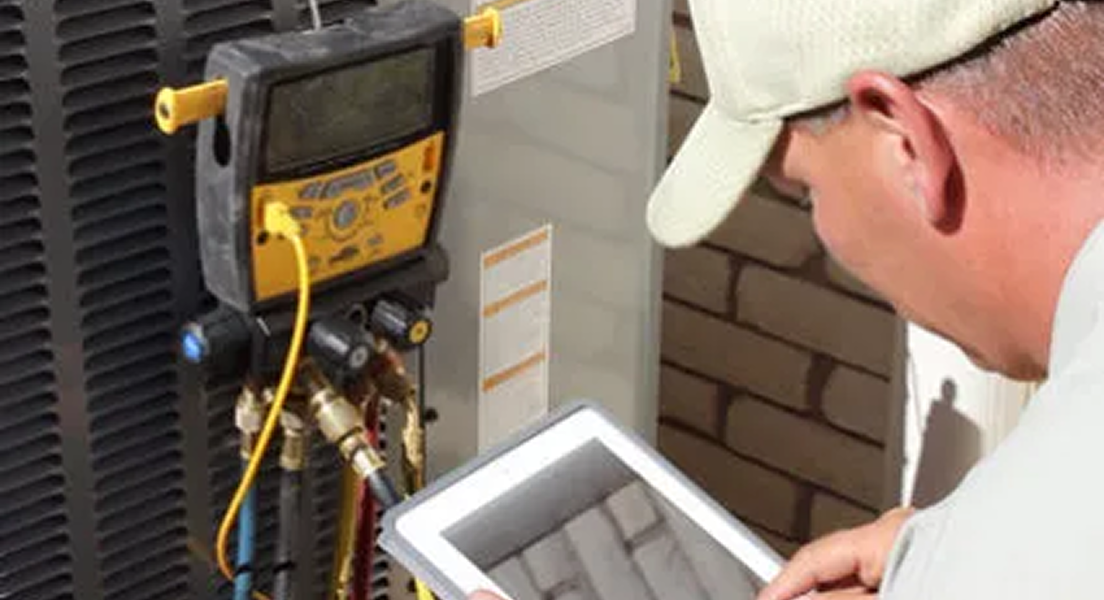
 System Assessment & Troubleshooting
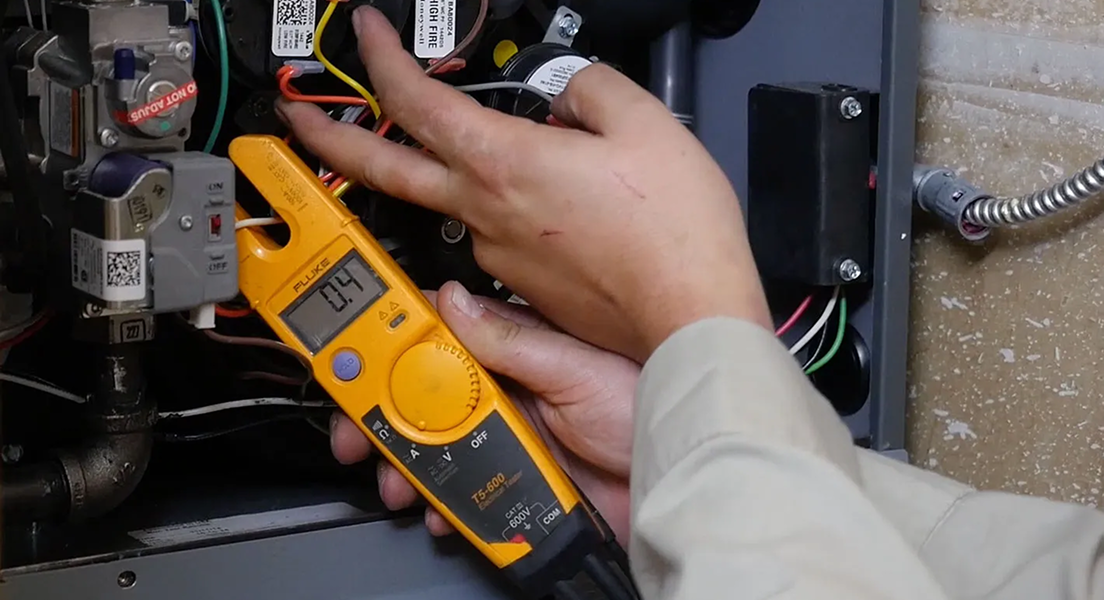
 Advanced Repair & Maintenance Techniques
 System Performance Confirmation